
"arabica regions"
7000 article(s) found

Varieties and planting areas of Salvadoran Coffee Siberia Manor in Kuskabapa region
The civil war in coffee varieties caused chaos and affected economic development, but ironically allowed coffee antiquities to be preserved, and the situation was so chaotic that coffee producers in El Salvador failed to catch up with the renewal of coffee varieties in Central and South America. El Salvador produces 100% Arabica coffee, of which 68% is Bourbon, Coffea arabica var. Bourbon), 29% Pa
Coffee is divided into two varieties: Arabica and Robusta Coffee classification Introduction Coffee is divided into
The major coffee varieties grown worldwide today are derived from two original species: arabica and robusta. The planting methods, growth environment and other characteristics of the two are different, and even the caffeine content is also quite different. Since coffee fruits do not ripen at the same time on the same tree, high-quality coffee must be hand-picked. About 75 percent of the world's population

Introduction to the flavor and taste of washed Arabica Sidamo coffee beans with characteristics of price and flavor
Washed Arabica Sidamo coffee beans local small farmers began to grow organic coffee in 2001 and work closely with medium-sized coffee producers because they know how to grow forest coffee in the highlands. It is one of the micro-producing areas with regional characteristics in the Sidamo producing area. The coffee in this region is quite unique, and the coffee produced
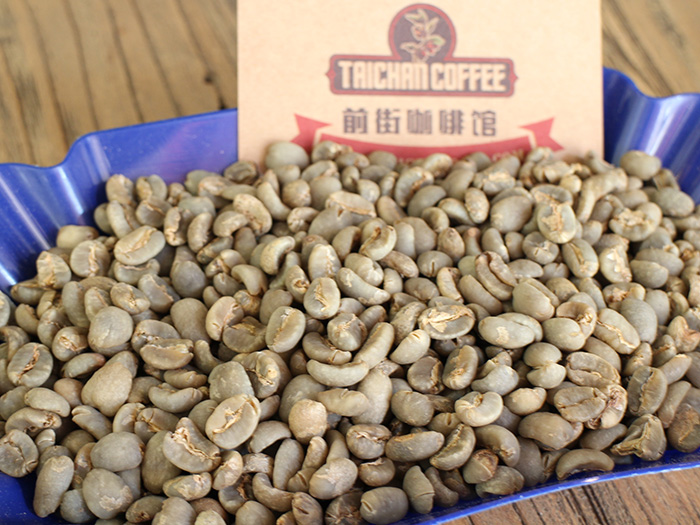
How about eating expired Arabica coffee beans? moldy Arabica coffee beans Sumatra Indonesia
Is it good to eat expired Arabica coffee beans? It's hard to say. It depends on the situation. 1. Moldy Arabica coffee beans it doesn't matter if you eat moldy Arabica coffee beans. You just have to stay in the hospital for ten or eight days. 2. the shell of Arabica coffee beans is white if the shell is white.

What is 100% Arabica Coffee? [Coffee Dry Paste]
This article has its own special function, chat and chat along with the advertising language. When we drink coffee, most of the time it is because of the need for caffeine pick-me-up, and we rarely care or don't know the difference between coffee and beans, let alone the huge difference in flavor and taste. You only hear Arabica in commercials, and you're confused.

Arabica coffee beans main flavor 100% Arabica coffee is good? what's so special?
Professional coffee knowledge exchange more coffee bean information Please follow the coffee workshop (Wechat official account cafe_style) when we drink coffee, mostly because of the refreshing demand for caffeine, we seldom pay attention to, or do not know the difference between coffee and beans, let alone that there will be a huge difference in flavor and taste. You can only hear it in advertisements.

What's the difference between Arabica and Robusta coffee?
Arabica coffee has a varied and broad potential flavor. Arabica coffee produced in different regions, different elevations and different climates usually has its own characteristics and can show a completely different flavor. "Arabica" coffee smells like grass when it is not roasted. After proper roasting, it shows a "fruity" aroma.

Arabica Coffee Flavor description treatment Variety producing area characteristic Manor introduction
Arabica? Coffee has a varied and broad potential flavor. Arabica coffee produced in different regions, different elevations and different climates usually has its own characteristics and can show a completely different flavor. ? Arabica? When coffee is not roasted, it smells like grass. After proper roasting, it shows. Fruity? (medium and shallow baking) vs.

Golden Manning Coffee Flavor description Brand characteristics introduction to the Regional treatment method of Manor production
Golden Manning Coffee Flavor description Brand characteristics Manor Regional treatment introduction of Arabica seedlings to Ceylon (present-day Sri Lanka) and Indonesia by the Dutch in the 17th century. In 1877, a large-scale disaster hit the Indonesian islands. Coffee rust destroyed almost all coffee trees. People had to give up Arabica, which had been in operation for many years.

The most classic high-quality Arabica variety of tin coffee flavor introduction
Catimor: Catimor is not purely Arabica, it is a hybrid of Timor species (belonging to Robusta species) and caturra(a variant of Popan species), so catimor has 25% Robusta lineage, and its Robusta lineage also determines its taste defects: aroma is not rich enough, and the overall taste is bitter, prone to astringent and pungent

What is 100% Arabica coffee _ how to buy Arabica coffee beans
Professional coffee knowledge exchange more coffee bean information Please follow the coffee workshop (Wechat official account cafe_style) when we drink coffee, mostly because of the refreshing demand for caffeine, we seldom pay attention to, or do not know the difference between coffee and beans, let alone that there will be a huge difference in flavor and taste. You can only hear it in advertisements.

Nespresso 2011 Spring Limited Edition Fine Coffee
Nespresso Nespico 2011 spring limited edition boutique coffee Onirio, chose two kinds of Arabica coffee, one from two producing areas in Sidama region of southwestern Ethiopia: Sidamo and Yrgacheffe.

Ethiopia Sidama Region Geographical Features Manor Flavor Description Origin Yega Shefi Features
In the southwestern highlands of Ethiopia, the Kaffa, Sheka, Gera, Limu and Yayu Senli coffee ecosystems are considered the home of Arabica coffee. These forest ecosystems are also home to a variety of medicinal plants, wildlife and endangered species. angstroms

Boutique coffee utensils espresso limited edition coffee cup
Nespresso Nespresso coffee experts skillfully choose, blend perfectly and carefully bake the finest coffee from Ethiopia. Onirio chose two Arabica coffees from two producing areas in the Sidama region of southwestern Ethiopia: Sidamo and Yrgacheffe. Arabica coffee from Sidamo has the original round floral fragrance. And from Yrg.

The three kinds of coffee beans have you ever heard that Arabica is a regional name? read the article to solve the problem.
Professional coffee knowledge exchange more coffee bean information please follow the coffee workshop (Wechat official account cafe_style) front street-coffee variety introduction coffee has gradually become a mainstream drink, into everyone's daily life. But many people are not familiar with it. So I would like to introduce its basic information to you today. I hope you can understand it better. The types of coffee beans throughout the world

Ethiopia Yega Shefi g2 washed coffee bean cup flavor description region introduction
Ethiopia Yegashefi g2 washed coffee cup flavor description of the region Yegashefi is a small town, 700-2100 meters above sea level, is synonymous with Ethiopian fine coffee It is a wetland since ancient times, and the old saying Yirga means to settle down, and Cheffe means wetland. The way coffee is produced here and the flavor is too prominent to cause Ethiopian coffee

Ecuadorian coffee producing regions that can be made into premium blends Coffee Introduction Fine Coffee
Ecuador is one of the few countries in South America that produces both Arabica coffee and Robaik coffee. But as the land available for arabica coffee trees dwindles, robert coffee production is increasing. The best Arabica coffee is grown in the Andes, especially in the Chanchamgo Valley, which divides the Andes into two mountain ranges.

Ugandan coffee producing regions that produce only small amounts of Arabica beans
Later, when ships replaced sailboats, people drank fresher coffee beans because of shorter delivery times. But people accustomed to old beans are not used to this fresh taste, so they desperately pursue old Java coffee, so that the Indonesian government and some businessmen deliberately store fresh beans in warehouses for one to two years before selling them to consumers. In fact, aged Java beans are more common than fresh beans.

Ethiopian coffee beans, coffee beans
Ethiopia is home to Arabica coffee, and it is in the forests of the Kaffa region that you can see Arabica coffee growing wild. In Ethiopian, coffee is called Bun or Buna, and coffee beans may be translated from Kaffa Bun. Arabica coffee was discovered early in the Harar region, most likely from Karachi.

Differences in appearance, flavor, market price and use between arabica and robusta
"Arabica" coffee has a variety and a wide range of potential flavors. Arabica coffee produced in different regions, at different altitudes and in different climates usually has its own characteristics and can show very different personality flavors. Arabica coffee smells like grass when it is not roasted, and after proper roasting, it shows "fruity"(middle).